Blog
How Are Tariffs Affecting Sarasota Coffee Shops?

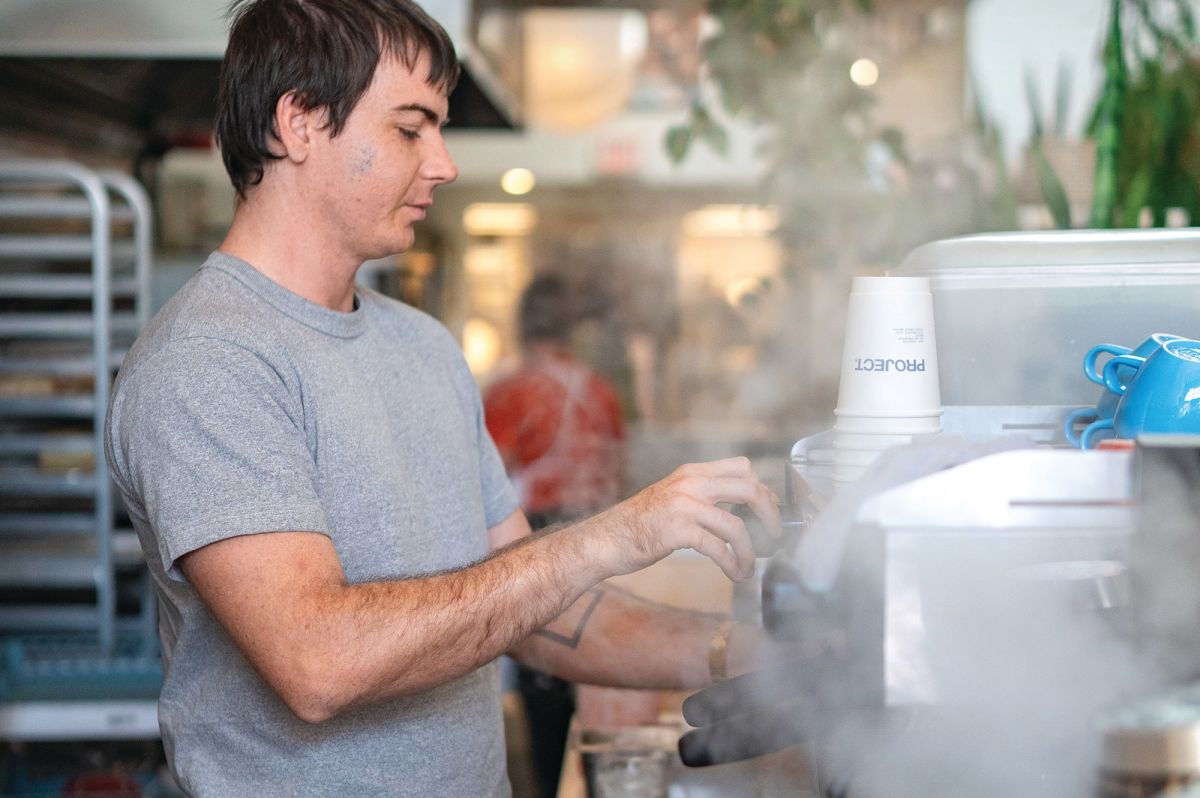
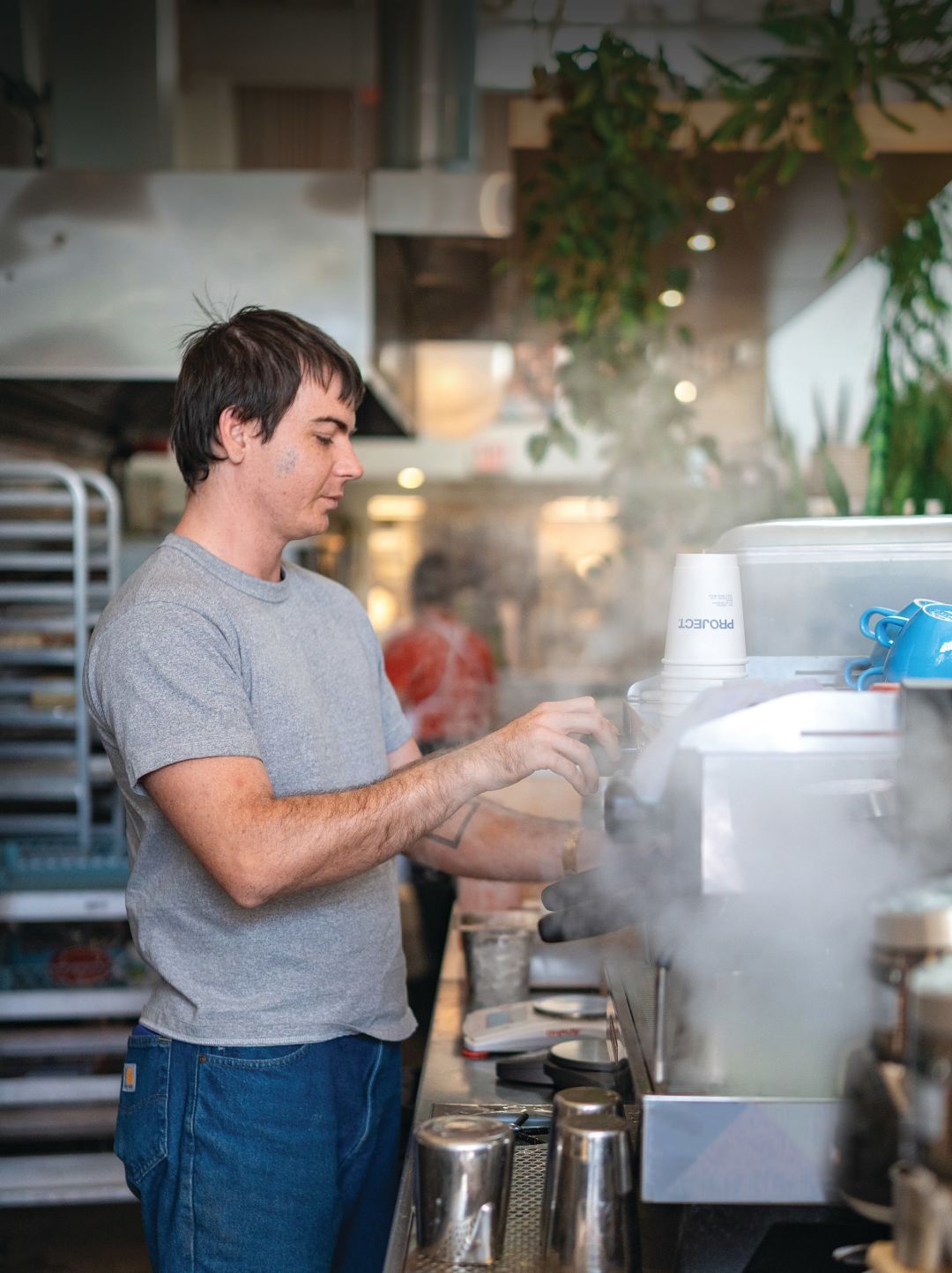
Coffee roaster Ian Steger at his Rosemary District restaurant, Project.
In April 2, 2025, when the Trump administration signed its “Liberation Day” executive order to apply scattershot tariffs to nearly all foreign goods, tariff advocates justified this new tax policy on imports by claiming it would stimulate domestic manufacturing and make America rich again.
But there was one little problem when it came to coffee: You can’t grow the flowering plant in the United States.
After enough grumbling from the public, President Donald Trump signed another executive order lifting tariffs on a handful of agricultural goods that cannot be produced at scale in the United States. Coffee, oranges and bananas are now exempt.
Coffee lovers rejoiced. Prices wouldn’t be skyrocketing. Not so fast, says Ian Steger, coffee roaster and proprietor of Project, a Sarasota coffee shop and bistro with locations in Burns Court and the Rosemary District. Coffee prices don’t change overnight because contracts are long-term. And they certainly won’t be coming down right away, either. The impacts on consumers and growers will be felt, and it’s hard to know how long they will last.
“Here’s how it works,” Steger says. “I am a retail coffee buyer. I buy my coffee from an importer, and this importer buys directly from farms, producers and cooperatives. The price will depend on current commodity price, tariffs and the quality of the harvest.”
Normally, retail buyers get early samples of coffee harvests and agree to a price. Recently, Steger bought $50,000 in coffee from a Colombian farm at $7.50 per pound. But it takes at least two months for the coffee to arrive from Colombia to the United States. While the coffee was on a shipping container on the water, a 25 percent tariff was added to his order.
“I would not have bought the coffee if I had known it was going to be at that price,” Steger says.
Not paying the tariff is not an option for most businesses. Even though retailers have already paid their end of the contract, the shipment will sit at a port until the tariff is paid. If a business waits to pay the tariff, a holding fee will apply. If the business cannot afford the tariff, the products will be auctioned off. If the products don’t sell, they’ll be destroyed.
To make matters worse, the supply of coffee to America is low because exporters are selling to other countries that don’t have unpredictable tariffs.
“Instead of selling coffee to America, the Brazilian or Vietnamese markets are selling to Europe,” Steger says. “It puts everyone in this strange position where you are punished for doing good long-term deals.”
Coffee is also a seasonal crop, and the volatility of the tariffs can add anywhere between 20 percent to 40 percent additional cost for the retail buyer depending on when the goods land.
Coffee is also a seasonal crop, he explains. The volatility of the tariffs can add anywhere between 20 percent to 40 percent additional cost for the retail buyer depending on when the goods land. “I buy a lot of coffee from Vietnam that has a 20 percent tariff,” he says. “I just put on a contract for $50,000 worth of coffee from Vietnam. We’re hoping that because this coffee won’t land until next April, we’ll see relief on the tariff and pricing.”
Steger held off raising prices for as long as he could. “We added an extra 15 cents on the coffee-based beverages,” he says. “I’ve talked to a few people in coffee, but also in other industries. We believe the play is to take a little bit of a hit [for a period of time] if you can afford it. Instead of immediately upping prices and pushing customers away, try and keep things as level as possible and wait for prices to stabilize.”
It’s not just customers and coffee shops that are shaky about the coffee market. America is the most lucrative coffee market in the world, so coffee producers around the globe have invested money and taken on debt to make higher-quality, specialty coffee for our market.
“Coffee growing is a really small business,” says Steger, who buys all of his coffee from select farms because he trusts the farmer. “Most of the time it’s a single-family farm. They’ve invested in their land, good processing standards, hiring better labor to pick the coffee cherry at peak ripeness. They spend all this money and then end up selling the coffee at a loss because of the instability of the market. It’s disincentivizing. So, the world ends up getting worse coffee.”
Steger is concerned the tremors from the tariffs will do long-term damage to the industry and to small businesses like his. “Coffee growing is difficult enough with bad weather and blights, but there is only so much you can do about those issues,” he says. “The tariffs were such an unnecessary screw up.”